

Setting up a temporary site involves more than delivering buildings. Every location brings different logistical, environmental, and compliance factors that need to be addressed before deployment.
This checklist covers the key considerations that often get overlooked but can impact how smoothly a site comes together.
1. Access, Transport and Site Approach
Before anything arrives on site, access needs to be assessed in detail. Road weights, bridge capacities, permit requirements and oversize load restrictions can all influence how a building is transported. It’s also important to allow for turning space, laydown areas, Hiab or crane access, and safe exclusion zones during delivery.
We handle this process end to end. Instant Transportable Offices manages most of our own transport and prefers to coordinate delivery directly. We know the Western Australian road network, understand the permits and logistics required, and can ensure your building arrives exactly as it left the yard.
2. Site Preparation and Ground Conditions
Every site has its own set of environmental factors, and preparing the ground correctly is essential to avoid issues post-install. The pad must be level, with adequate drainage and consideration for local soil conditions, flood risk, and bearing capacity.
Depending on your site and building type, we’ll advise on appropriate footing systems. We can also assist with vermin-proofing basics to ensure your setup remains stable and protected throughout its time onsite.
3. Location, Wind Region and Tie-down Design
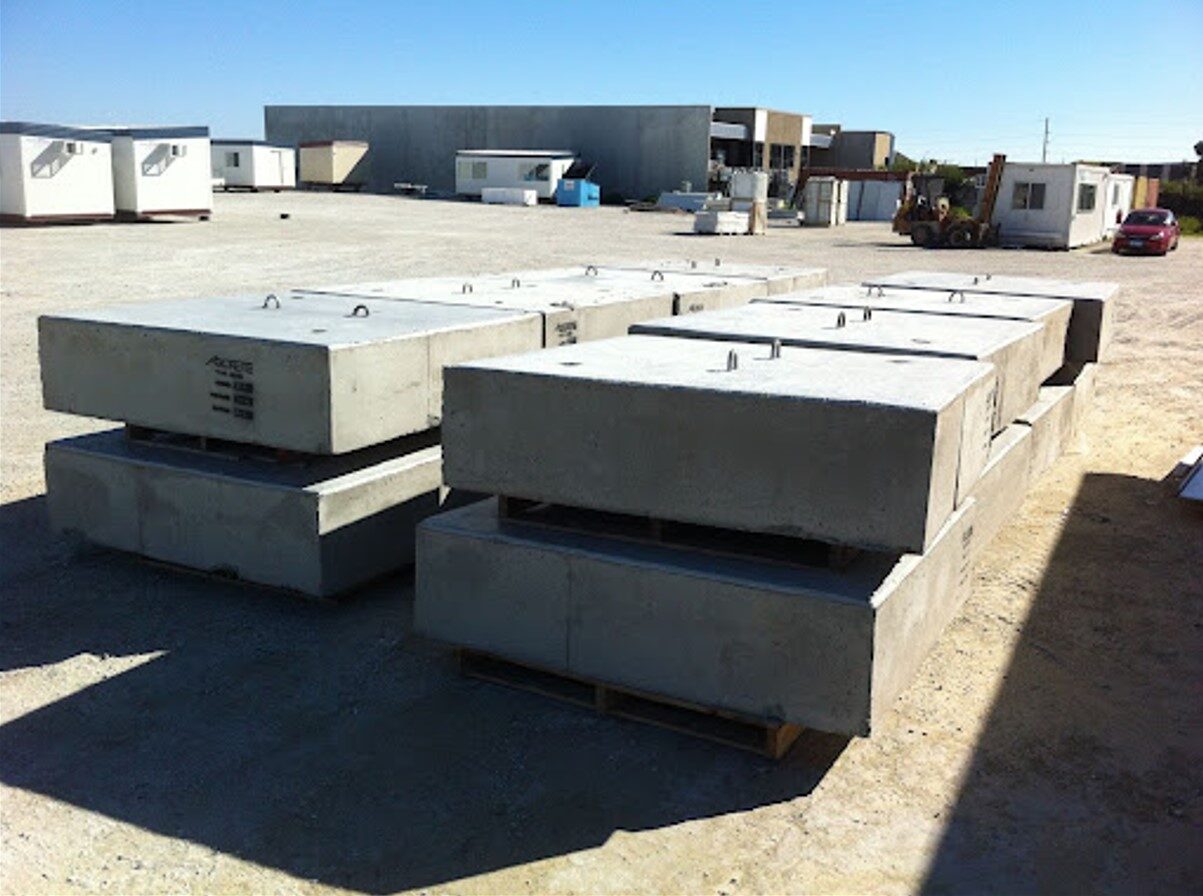
Temporary buildings must suit the environmental conditions of their location. Wind region classification determines the level of structural reinforcement and tie-down required. In WA’s north-west, Region D zoning applies (the highest cyclonic classification in Australia) and requires specific engineering to meet safety and compliance standards.
Instant Transportable Offices supplies buildings certified for both cyclonic and non-cyclonic regions, including full tie-down systems and footing designs suited to each site. We also account for corrosion zones and coastal placement, recommending material upgrades where needed. Engineer sign-off will also be arranged as part of your install process.
For more details on regional classifications and how they affect building selection, visit our page on Cyclonic Ratings for Buildings.
4. Power and Energy Plan
Power requirements vary depending on how each space will be used. Offices, crib rooms, HVAC systems and comms infrastructure all place different demands on your setup, so a load assessment should be done early in the planning process.
Smaller and standard buildings typically run on a 15 amp connection, but larger or higher-use buildings can be supplied as single-phase, 32 amp hard-wired units to support additional equipment and heavier loads. We’ll help determine the right supply option for your site, whether that’s mains power, generator, or a solar-hybrid system.
Fuel logistics, distribution boards, RCD protection and UPS backup for comms equipment should also be considered, especially for remote or frequently relocated setups.
5. Water, Wastewater and Amenities Planning

Water supply and wastewater management should be considered alongside building selection. If mains access isn’t available, a potable water source and appropriate tank sizing will need to be factored in, along with backflow prevention. For wastewater, we offer above-ground tanks or underbuilding tanks that save valuable space on tight sites.
Amenity ratios should align with the number of staff onsite, including compliant options where accessibility is required. Instant Transportable Offices offers a range of supporting units including ablution blocks, disabled accessible buildings and site laundries—all configured to suit the scale and location of your project.
6. Layout, Circulation and Safety on Site
A well-planned site layout helps everything run smoother and safer. Think about how zones will function. Quiet admin areas, crib rooms, amenities and plant access should each have defined boundaries to reduce noise, traffic and disruption.
Pedestrian and vehicle separation is critical, especially around delivery zones and high-traffic areas. Lighting, shade, and access paths should be considered during placement. Safety infrastructure like muster points, fire extinguishers, first aid stations and eyewash stations should be integrated early in the layout to support compliance and day-to-day usability.
7. Compliance and Approvals Pathway
Temporary buildings must meet the same baseline compliance standards as permanent structures. That starts with correct classification under the National Construction Code, and extends to accessibility requirements under AS1428, emergency egress, signage, and fire safety systems.
Electrical sign-off, environmental controls, and local authority approvals may also be required depending on the location and length of use.
Instant Transportable Offices works to ISO 9001, 45001 and 14001 standards, giving you confidence in the quality, safety and environmental compliance of every setup we deliver.
8. Environmental and ESG Considerations
Energy use, environmental controls and compliance obligations should all be factored in early, particularly on remote or mobile projects. For buildings that move frequently, energy efficiency becomes more complex. Each new location brings different orientation, climate and operating conditions, which can affect performance and compliance. Traditional energy assessments may not be enough.
We can help assess power demand, insulation, ventilation and shading based on typical use and likely relocations. For some clients, this includes flexible energy assessment methodologies that consider multiple orientations and climate zones, in line with NCC and state requirements. If you’re unsure whether a formal energy assessment is required, we can help you evaluate what’s needed and what’s not.
Beyond energy, broader environmental measures such as dust suppression, stormwater planning, spill control and waste segregation also apply. All Instant Transportable Offices buildings are manufactured under ISO 14001, supporting a more responsible, lower-impact site setup.
9. Timeline, Sequencing and Contingencies
Temporary site setups run smoother when the timeline is mapped from the beginning. That includes everything from when your buildings are ordered to delivery, installation, commissioning and final pickup or relocation. For remote sites or seasonal projects, allowing for weather and access constraints is important to avoid unnecessary delays.
When you hire through Instant Transportable Offices, we take care of the full process in-house. We handle delivery, set-up and collection ourselves, so there’s no need to coordinate multiple contractors. It’s a one-stop solution that gives you more control, less admin and fewer headaches on site.
10. Hire vs Buy and Lifecycle Costing
Choosing between hiring and buying comes down to how often and how long you need buildings in service. Short-term or infrequent projects are often best suited to hire, while frequent relocations or consistent site use can make ownership more cost-effective over time. Relocation frequency, utilisation rates and the building’s residual value should all be factored into the decision.
Instant Transportable Offices offers flexible hire, purchase and hire-to-buy options, with rapid availability from our WA-built stock. For some clients, hire-to-buy provides the best of both worlds, allowing them to start with a rental and transition to ownership if ongoing demand for temporary sites is clear.
We Make Temporary Site Setup Simple
Getting a temporary site operational takes more than just placing buildings on the ground. The right partner can streamline the process, reduce risks and save you time. Instant Transportable Offices offers demountable buildings for sale and hire, along with the in-house expertise to plan, deliver, install and remove them without the need for multiple contractors.
Our WA-built fleet is ready to go, and our team knows how to get sites operational quickly and correctly.
Call 1300 556 241 or enquire online to start planning your next site deployment.

Managing Director at Instant Transportable Offices
Scott Rawson is the Managing Director of Instant Products Group, a specialist group of companies that offer portable building solutions, including sea containers, transportable offices, and portable sanitation products. With more than 20 years of experience in various management positions and a finalist in the WA Business News 40 under 40 awards in 2013, Scott is a highly motivated entrepreneur that has a passion for designing products to suit the needs of individual markets. From the creation of Instant Products Group over 20 years ago, he has successfully grown the group into a multi-million dollar corporation and his success is widely recognised in Western Australia. Scott is dedicated to expanding Instant Products Group nationally and providing high-quality products to a range of sectors, including mining, engineering, property development, and government.